
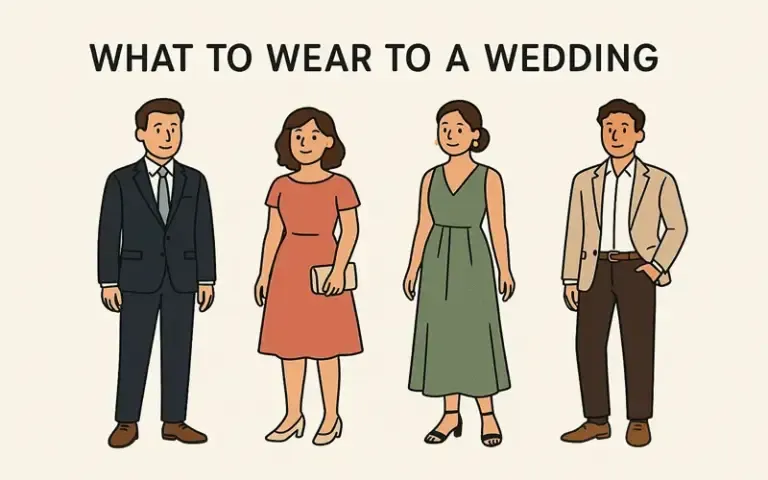
Looking stylish does not always depend on buying expensive clothes or following every trend that appears online. uuploadarticle.com believes that practical fashion choices often create a stronger impression than a wardrobe filled with costly items.
Many people think fashion is complicated because social media keeps changing what looks popular. Real life feels different. Most people simply want clothing that fits well, feels comfortable, and looks appropriate for different situations. That goal is much easier to achieve than many believe.
Fashion is also personal. Two people can wear the same outfit and create completely different impressions because of confidence, fit, and small styling details. Paying attention to these details usually matters more than filling your wardrobe with dozens of new purchases every month.
Choose Better Clothing Fit
A perfect fit can completely change how ordinary clothes look. Even a basic white shirt and dark jeans appear more polished when they fit properly around the shoulders, waist, and legs.
Oversized clothing can work when it is intentional, but wearing clothes that are simply too large often hides your shape instead of improving your appearance. Clothes that are too tight create similar problems because they limit comfort and rarely look flattering.
Trying different sizes should never feel embarrassing. Clothing measurements vary between brands, so the number printed on the label should never become your main concern. The overall appearance matters much more than the size tag inside the garment.
Simple tailoring is another useful option. Shortening trousers or adjusting sleeves usually costs less than replacing an entire outfit, yet the results often look much more expensive.
Build Simple Outfit Basics
Fashion becomes easier when your wardrobe includes reliable basics that work together naturally. Neutral colors help create many outfit combinations without requiring endless shopping.
White shirts, black trousers, blue jeans, simple jackets, plain sweaters, and comfortable sneakers remain useful because they match almost everything. These pieces never stay hidden inside the closet for very long.
Instead of owning thirty shirts that rarely match anything else, consider buying fewer pieces with better versatility. Quality basics usually provide more value than trendy items that become outdated after one season.
A practical wardrobe also saves time every morning. Choosing clothes becomes faster because most items already coordinate without much planning.
Understand Everyday Color Choices
Color plays a bigger role than many people realize. Bright shades attract attention quickly, while softer tones often create a cleaner and calmer appearance.
Black remains popular because it works almost everywhere. Navy blue, gray, beige, olive green, and white also combine easily with other colors without making outfits look complicated.
That does not mean bright colors should disappear from your wardrobe. A colorful scarf, handbag, shirt, or pair of shoes can become the main focus without overwhelming the entire outfit.
Learning basic color combinations takes some practice. Once you understand which shades complement each other, creating stylish outfits becomes much less stressful.
Keep Shoes Looking Fresh
People often notice shoes before many other parts of an outfit. Clean footwear creates a much stronger first impression than many expect.
Regular cleaning removes dust, stains, and dirt that slowly make shoes appear worn. Leather shoes benefit from occasional polishing, while canvas sneakers usually improve after gentle washing.
Owning several pairs also helps. Rotating footwear reduces daily wear and allows shoes to maintain their shape for a longer period.
Comfort should never be ignored. Stylish shoes lose their appeal quickly when walking becomes painful after only a short distance.
Pay Attention Accessories
Accessories should support an outfit instead of competing with it. A simple watch, clean belt, sunglasses, or small handbag often adds enough personality without creating visual clutter.
Many people make the mistake of wearing too many accessories at once. Large necklaces, oversized earrings, bright scarves, multiple bracelets, and bold handbags together can make an outfit feel crowded.
Keeping accessories balanced usually creates a more elegant appearance. Sometimes removing one item improves the entire look immediately.
Quality matters here as well. Well-maintained accessories generally appear more expensive than several poorly made alternatives.
Dress For Every Season
Weather affects clothing choices more than fashion trends. Dressing comfortably throughout changing seasons helps maintain both style and practicality.
Summer clothing should prioritize breathable fabrics like cotton and linen. Lightweight materials reduce discomfort during hot afternoons while still looking polished.
Cold weather allows layering, which creates interesting outfit combinations. Sweaters, jackets, coats, and scarves provide warmth while adding texture and depth.
Rainy days require practical decisions too. Waterproof footwear and lightweight outerwear protect clothing without sacrificing overall appearance.
Understand Fabric Differences
Fabric quality influences comfort, durability, and appearance every single day. Attractive designs cannot fully compensate for uncomfortable materials.
Cotton remains popular because it feels soft, breathes well, and works across different seasons. Linen offers excellent airflow during warmer months, although wrinkles appear more easily.
Wool provides warmth while maintaining a refined appearance during colder weather. Denim continues serving as one of the most versatile fabrics because it works casually and sometimes semi-formally.
Reading clothing labels becomes a helpful habit. Knowing fabric composition helps shoppers understand how garments should be washed and maintained.
Organize Your Wardrobe
A messy wardrobe often creates unnecessary shopping because people forget what they already own. Better organization reveals clothing combinations that previously stayed unnoticed.
Grouping clothes by category simplifies daily decisions. Shirts together, trousers together, jackets together, and accessories in separate spaces reduce confusion.
Seasonal rotation also helps. Storing winter clothing during summer creates more room while keeping frequently used items easy to reach.
Regular wardrobe reviews prevent unnecessary clutter. Donating clothes that no longer fit or remain unused creates space for items that genuinely deserve attention.
Follow Trends Carefully
Fashion trends appear constantly, but not every trend suits every person. Copying every popular style often leads to wasted money and disappointing purchases.
Looking at trends for inspiration works much better than following them exactly. Small adjustments allow personal style to remain authentic while still feeling modern.
Classic clothing usually stays useful much longer than trend-driven pieces. Investing in timeless designs often produces better long-term value.
Confidence grows naturally when people wear clothes matching their personality instead of chasing every changing fashion headline.
Take Better Clothing Care
Proper clothing care extends the life of almost every garment. Small maintenance habits protect both appearance and budget over time.
Following washing instructions prevents shrinking, fading, and fabric damage. High temperatures are not necessary for every load of laundry.
Using suitable hangers keeps jackets, shirts, and dresses in better condition. Folding heavy knitwear instead of hanging it helps maintain proper shape.
Repairing loose buttons or small tears immediately prevents larger problems later. Simple maintenance often saves favorite clothing from early replacement.
Develop Personal Confidence
Confidence remains one of the strongest style elements anyone can develop. Expensive clothing cannot replace comfortable body language and genuine self-assurance.
Standing naturally, maintaining good posture, and smiling appropriately improve overall appearance without spending anything.
Fashion should support confidence instead of creating pressure. Wearing clothes that feel comfortable allows people to focus on conversations, work, and daily activities instead of worrying about constant adjustments.
Personal style develops gradually. Small improvements repeated consistently usually create stronger results than dramatic wardrobe changes made overnight.
Create Lasting Style
Building great style rarely depends on buying the newest collection every season. It grows from thoughtful choices, regular maintenance, comfortable clothing, and understanding what truly works for your lifestyle.
A balanced wardrobe filled with versatile pieces saves money, reduces daily stress, and creates countless outfit possibilities. Fashion should make everyday life easier rather than more complicated.
Every improvement does not need to happen immediately. Replacing one item at a time, organizing your wardrobe, and learning from your own preferences gradually creates a style that feels authentic and practical.
If you want more practical fashion advice, wardrobe ideas, and everyday style inspiration, continue exploring our latest articles and stay updated with fresh fashion tips that help you dress confidently every day.
Read also :-