
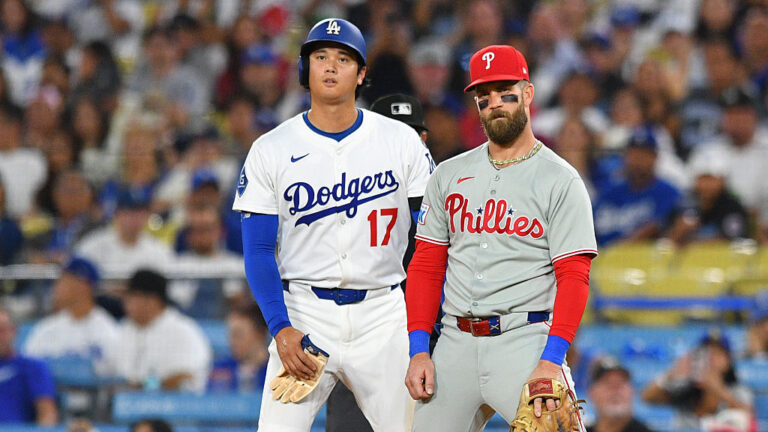
Dodgers vs Phillies match player stats provide a detailed view of an intense MLB showdown where pitching, hitting, and defensive execution all played pivotal roles. Every at-bat, pitch, and defensive play contributed to the dynamics of this exciting game.
This matchup saw the Dodgers rely on both veteran leadership and emerging talent, while the Phillies combined disciplined hitting with aggressive base running. Player statistics reveal the nuances behind scoring opportunities, clutch plays, and defensive stops.
In this article, we will explore pitching performance, offensive contributions, defensive metrics, and player impact with engaging storytelling and natural narrative flow.
Dodgers Offensive Player Stats
The Dodgers’ offense highlighted the contributions of key hitters such as Mookie Betts and Freddie Freeman. Betts’ batting average, on-base percentage, and slugging metrics illustrated his ability to consistently reach base and generate scoring opportunities. Freeman provided power and run-producing consistency, reflected in home runs, RBIs, and extra-base hits.
Corey Seager contributed with situational hitting and clutch performance metrics, while Gavin Lux added value with versatility and high-contact efficiency. The Dodgers’ offensive line stats, including on-base plus slugging (OPS) and runs created, reflected their balanced attack.
Dodgers vs Phillies match player stats: Offensive Strategy
Dodgers vs Phillies match player stats indicate that the Dodgers’ strategy emphasized patient at-bats, situational hitting, and capitalizing on defensive gaps. Bunting efficiency, stolen base attempts, and hit-and-run success all contributed to their offensive production.
The Dodgers’ approach combined power hitting with smart baserunning, creating pressure on the Phillies’ defense and pitching staff. Metrics like runs per inning, batting average with runners in scoring position, and strikeout-to-walk ratios reveal the success of their game plan.
Phillies Offensive Player Stats
The Phillies’ offensive performance relied heavily on Bryce Harper’s power and plate discipline. Harper’s home runs, RBIs, and slugging percentage demonstrated his ability to change the game with a single swing. J.T. Realmuto added consistent contact hitting and situational awareness, reflected in batting average and on-base metrics.
Rhys Hoskins contributed with extra-base hits and run production efficiency. The Phillies’ offensive strategy focused on aggressive hitting, capitalizing on pitcher mistakes, and advancing runners with smart baserunning decisions.
Dodgers vs Phillies match player stats: Pitching Performance
Pitching played a crucial role in this matchup. For the Dodgers, Julio Urías delivered efficiency with strikeout rates, earned run average (ERA), and WHIP metrics reflecting his dominance on the mound. Brusdar Graterol’s relief performance showed the importance of bullpen depth in maintaining lead and closing high-pressure innings.
The Phillies’ pitching staff, led by Zack Wheeler, focused on velocity and strike placement. Wheeler’s strikeout-to-walk ratio, opponent batting average, and ERA highlight his ability to contain the Dodgers’ lineup. Relief pitchers contributed with inherited runners scored (IRS) and leverage index metrics.
Defensive Metrics and Fielding Highlights
Defense was pivotal in momentum shifts. The Dodgers’ outfield, led by Mookie Betts and Cody Bellinger, produced high range factor and defensive runs saved (DRS), converting challenging plays into outs. Infield metrics like fielding percentage and double-play efficiency illustrate how Dodgers limited Phillies’ scoring opportunities.
The Phillies’ defensive stats, including outfield assists, infield range, and catcher framing metrics, reflect strong positioning and quick reactions to prevent extra-base hits and stolen bases.
Bench Contributions and Depth
Bench performance influenced key innings. Dodgers’ substitutes produced pinch-hit RBIs and late-inning defensive stops, while Phillies’ bench players added depth with situational hitting and relief pitching. Advanced metrics like WPA (Win Probability Added) highlight the impact of bench contributions in high-leverage situations.
Situational Hitting and Clutch Performance
Dodgers vs Phillies match player stats highlight performance in critical situations. Metrics such as batting average with runners in scoring position, late-inning RBIs, and clutch home runs reveal which players elevated their performance when it mattered most. The Dodgers excelled in capitalizing on opportunities, while the Phillies showed resilience in mounting counterattacks.
Base Running and Aggressiveness
Base running metrics influenced scoring dynamics. Dodgers’ stolen bases, extra bases taken on hits, and first-to-third success percentage provided insights into aggressive yet calculated offensive moves. Phillies’ baserunning metrics highlighted how aggressive play created pressure on the Dodgers’ defense and contributed to scoring chances.
Advanced Analytics and Player Impact
Advanced statistics, including wOBA (weighted on-base average), WAR (Wins Above Replacement), and OPS+ (park-adjusted OPS), reveal deeper insights into player performance. Betts, Freeman, and Seager led the Dodgers, while Harper, Realmuto, and Hoskins drove Phillies’ offensive production.
Pitching analytics such as FIP (Fielding Independent Pitching) and K/9 provided additional context on how both teams limited run-scoring opportunities.
Coaching Decisions Reflected in Stats
Coaching strategies were evident through lineup decisions, bullpen management, and situational plays. Dodgers emphasized patience at the plate, strategic pitching changes, and defensive positioning. Phillies relied on aggressive hitting, timely pitching substitutions, and defensive shifts to counter the Dodgers’ strengths.
Metrics like leverage index, pinch-hitter performance, and bullpen efficiency reflect the coaches’ strategic impact on game flow.
Fan Insights and Analytical Perspective
Fans and analysts use Dodgers vs Phillies match player stats to evaluate game momentum, player contributions, and potential trends for future matchups. Fantasy baseball enthusiasts rely on OPS, ERA, and advanced hitting metrics to make predictions and assess player value.
Statistics transform observed plays into analytical insights, allowing fans to better understand performance trends and strategic decisions.
Team Identity Reflected in Stats
The Dodgers’ stats reflect a combination of veteran leadership, balanced hitting, and depth in pitching. Their strategy emphasizes calculated aggression, consistent run production, and defensive excellence.
The Phillies’ statistics highlight power hitting, aggressive baserunning, and pitching depth. Players like Harper and Wheeler exemplify their roster’s ability to impact games through individual brilliance and situational performance.
Dodgers vs Phillies match player stats ultimately capture the essence of each team’s approach, performance identity, and strategic execution throughout the contest.
Read also:
Buffalo bills vs Los Angeles Rams match player stats Overview
