
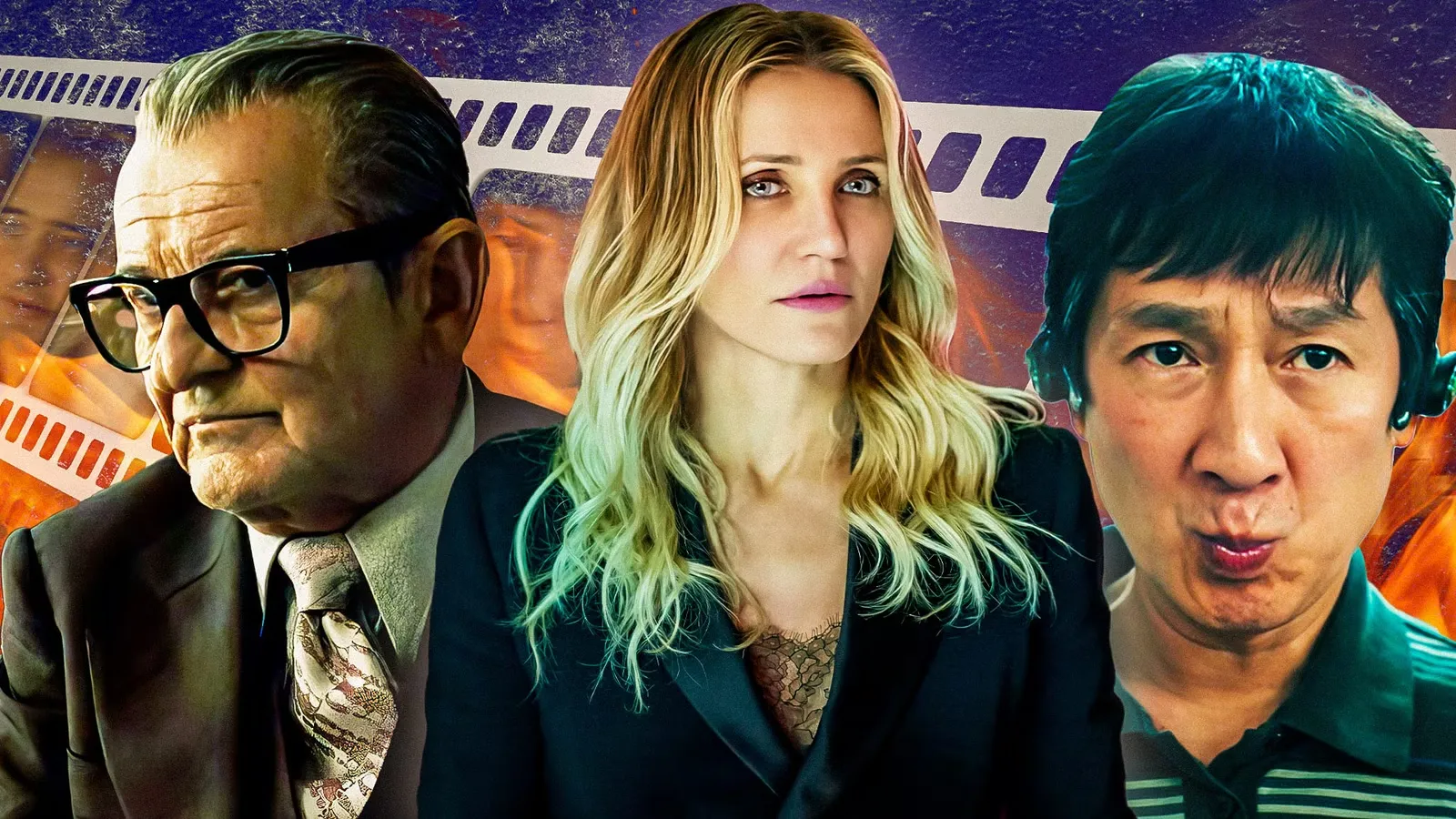
Hollywood Comeback Stories remind us that no matter how far someone falls, the possibility of a triumphant return is always within reach in the City of Dreams. There is something profoundly human about watching a beloved figure navigate the shadows of obscurity, only to emerge stronger and more talented than before. We root for them because their journeys mirror our own struggles with failure, aging, and the desire for a second chance. In an industry that often prioritizes the “new and next,” these narratives prove that experience and resilience are the most valuable currencies an artist can possess.
The allure of the comeback is woven into the very fabric of cinematic history. It isn’t just about a return to the limelight; it is about a redemption of the spirit. When an actor who was once a household name suddenly disappears, the public often wonders what went wrong. Perhaps it was a string of box office failures, a personal struggle, or simply a shift in industry trends. When they finally find that one perfect role that reignites their career, the collective cheer from the audience is deafening. It is a validation that talent doesn’t have an expiration date.
Take the recent and incredibly moving journey of Ke Huy Quan. For decades, he was remembered primarily as the energetic child star from “Indiana Jones and the Temple of Doom” and “The Goonies.” As he transitioned into adulthood, the opportunities for Asian actors in Hollywood were heartbreakingly slim. Instead of becoming bitter, he moved behind the camera, working in stunts and assistant directing. He maintained his passion for the craft from the sidelines, waiting for a world that was ready to see his full potential.
When he finally stepped back onto the screen in “Everything Everywhere All At Once,” the world didn’t just see a former child star. They saw a master of his craft who had been marinating in life experience for twenty years. His Oscar win wasn’t just a trophy for a single performance; it was a victory for every person who has ever felt overlooked or forgotten. His speech, where he tearfully exclaimed that “this is the American dream,” became a defining moment for modern Hollywood Comeback Stories.
The Structural Mechanics of Hollywood Comeback Stories
Understanding how these comebacks happen requires looking at the delicate intersection of timing, talent, and industry support. A comeback rarely happens in a vacuum; it often requires a visionary director who sees past the tabloid headlines or the dusty resume. Think of Quentin Tarantino casting John Travolta in “Pulp Fiction.” At the time, Travolta was largely associated with family-friendly comedies and was far from the “cool” list. Tarantino’s belief in Travolta’s inherent charisma transformed the actor back into a global icon overnight.
The “comeback” also requires a willingness on the part of the actor to be vulnerable and reinvent themselves. This often involves taking roles in independent films that offer more complexity than the blockbusters that originally made them famous. These roles allow actors to showcase a range that the public didn’t know they possessed. It is a strategic move that pivots them from being “stars” to being “respected actors.” This transition is crucial because it ensures longevity in an industry that can be fickle with traditional leading men and women.
The role of film festivals cannot be understated in this process. Festivals like Venice, Telluride, and Toronto often serve as the launching pad for these second acts. A standing ovation in a prestigious room can create a ripple effect that travels through the trades and social media. This “festival buzz” builds the momentum necessary for an awards campaign. It reframes the narrative from “where have they been?” to “look at what they can do now.” It is a sophisticated rebranding exercise that relies on the purity of the performance.
How Independent Studios Fuel Hollywood Comeback Stories
In the last decade, independent studios like A24 and Neon have become the primary architects of the Hollywood second act. These studios are willing to take risks on projects that larger conglomerates might find too niche or challenging. They prioritize unique voices and character-driven stories, which are exactly the types of projects that allow a veteran actor to sink their teeth into a role. By providing a platform for these unconventional stories, these studios have inadvertently become the guardians of the comeback.
Brendan Fraser’s recent resurgence, often affectionately called the “Brenaissance,” is a perfect example of this studio-actor synergy. Fraser was the quintessential action-comedy star of the late 90s and early 2000s, but personal health struggles and industry mistreatment led to a long hiatus. When Darren Aronofsky cast him in “The Whale,” produced by A24, it was a match made in heaven. The film required a level of physical and emotional vulnerability that few actors would be willing to display.
Fraser’s performance was a revelation. It stripped away the “Mummy” persona and revealed an actor of immense depth and empathy. The public’s reaction was immediate and overwhelming. We didn’t just admire the performance; we wanted to protect the man behind it. This emotional connection between the audience and the actor is the secret sauce of any successful comeback. It turns a movie release into a cultural event where everyone is invited to celebrate a survivor’s return to the top.
Robert Downey Jr. provides perhaps the most famous blueprint for modern Hollywood Comeback Stories. His journey from a critically acclaimed young actor to a man struggling with legal and personal demons is well-documented. For a time, he was considered “uninsurable” by major studios. It took the steadfast belief of friends like Mel Gibson and directors like Jon Favreau to give him the chance he needed. When he was cast as Tony Stark in “Iron Man,” he didn’t just play a superhero; he became the face of the most successful cinematic franchise in history.
His return was so successful that we often forget there was ever a period where he wasn’t the king of Hollywood. This is the ultimate goal of a comeback: to make the “down period” feel like a necessary prologue to a much grander story. Downey Jr.’s success paved the way for studios to take chances on other talented actors who might have hit a rough patch. It showed that with the right role and the right support system, a person’s past does not have to dictate their future.
The landscape of television and streaming has also changed the game for veteran actors. Previously, moving from film to TV was seen as a step down. Today, it is seen as a prestigious opportunity. Winona Ryder’s career was revitalized by “Stranger Things,” a show that leaned into 80s nostalgia while giving her a role that required raw, maternal intensity. Streaming services provide a space for longer-form storytelling where characters can grow over multiple seasons, giving actors the time and space to truly inhabit a new version of themselves.
Jennifer Coolidge is another actress whose career was transformed by the “White Lotus” effect. For years, she was the brilliant character actress known for her comedic timing in “Legally Blonde” and “American Pie.” While she was always a fan favorite, she was rarely given the lead in prestige projects. Mike White’s writing allowed her to be both hilarious and heartbreakingly tragic. Her subsequent sweep of the awards circuit was a reminder that sometimes, the industry just needs to catch up to the talent that has been there all along.
The Psychology of Audience Nostalgia
Audience nostalgia plays a massive role in why we find Hollywood Comeback Stories so compelling. We often associate these actors with specific periods of our own lives. Seeing them succeed feels like a victory for our own younger selves. When we see an actor from our childhood winning an Oscar or leading a hit show, it reinforces the idea that we can also reinvent ourselves as we get older. It is a shared emotional experience that transcends the screen.
Social media has also changed the way these stories are told. In the past, a comeback was managed entirely by publicists and journalists. Today, fans have a direct hand in creating the momentum. Fan-led campaigns on TikTok and Twitter can bring a forgotten actor back into the conversation. This grassroots support creates a “demand” that casting directors can no longer ignore. It is a democratization of fame that allows the audience to choose who they want to see on their screens.
However, the path to a comeback is often fraught with internal challenges. An actor returning to the spotlight must confront the same pressures that might have contributed to their departure in the first place. The scrutiny is higher, and the expectations are often unrealistic. Maintaining that second act requires a level of mental fortitude and self-awareness that is rarely discussed. It is about finding a balance between the demands of the industry and the need for personal well-being.
Mickey Rourke’s return in “The Wrestler” is a testament to this gritty reality. Rourke was the “bad boy” of the 80s who walked away from acting to pursue a professional boxing career, which left him physically changed. His performance as an aging wrestler looking for one last shot at glory was deeply semi-autobiographical. It was a raw, bruising performance that didn’t hide the scars. While he didn’t win the Oscar that year, he regained something much more valuable: the respect of his peers and the adoration of a new generation of film lovers.
The concept of the “McConaissance” is also a fascinating study in intentionality. Matthew McConaughey was the king of the rom-com for a decade, but he reached a point where he felt he was no longer challenging himself. He famously took a two-year break, turning down massive paydays for roles that didn’t excite him. He waited for the industry to stop seeing him as the “shirtless guy on the beach” and start seeing him as a dramatic powerhouse. His roles in “True Detective” and “Dallas Buyers Club” proved that he was right to wait.
This strategic “disappearing act” is a risky but effective tool in the comeback arsenal. It allows the audience’s perception of the actor to reset. When they finally reappear, they are essentially a “new” actor with a familiar face. It is a masterclass in brand management that requires immense patience and financial security. McConaughey showed that by saying “no” to the wrong things, you create the space to say “yes” to the things that will define your legacy.
As we look at the broader industry, it is clear that Hollywood is becoming slightly more forgiving. The rise of diverse storytelling and the demand for authentic representation have opened doors that were previously locked. We are seeing comebacks from actors who were pushed out due to systemic biases, not just personal choices. This shift is making the industry richer and more vibrant. Every time a veteran actor of color or an older actress reclaims their space, it shifts the boundaries of what is possible for everyone else.
The comeback is also a celebration of the “character actor.” Often, the most satisfying comebacks aren’t from the A-list leading men, but from the reliable performers who have been working in the trenches for years. When they finally get that one role that highlights their brilliance, it feels like a long-overdue promotion. It reminds us that the best performances often come from those who have spent the most time observing life from the sidelines.
The impact of these stories goes beyond entertainment; they serve as a form of cultural therapy. We live in a world that is obsessed with youth and perfection. The comeback narrative is the antidote to that obsession. it celebrates the beauty of the “second act” and the wisdom that comes with age. It tells us that our mistakes do not have to be the end of our story. We can always turn the page and start a new chapter, even if the world has counted us out.
There is also a sense of poetic justice in many of these stories. When an actor who was treated poorly by the industry returns on their own terms, it feels like a correction of the scales. It is a reminder that talent and integrity can eventually overcome the loudest tabloid noise. We see this in the way the industry has embraced actors who were once marginalized. Their success is a beacon for others who are still waiting in the wings.
The mechanics of fame will always be complex, and the path to the top will never be a straight line. But as long as there are stories to be told, there will be room for the comeback. It is the ultimate Hollywood trope because it is rooted in a universal truth: we all want to believe that we can be better, that we can return, and that our best work is still ahead of us. These actors are the living proof that the dream is still alive, provided you have the courage to keep showing up.
Every awards season brings a new set of faces that we thought we knew, transformed by time and a great script. We watch their speeches with a lump in our throats because we know the road they traveled to get there. We know about the quiet years, the “straight-to-video” releases, and the phone calls that didn’t come. Their presence on that stage is a testament to the power of the human spirit to endure and eventually thrive in the most competitive environment on earth.
As the industry continues to evolve, the definition of a comeback will likely continue to expand. It might not always look like an Oscar win; it might look like a successful podcast, a hit series on a streaming platform, or a directorial debut that surprises everyone. The platform matters less than the presence. What remains consistent is the inspiration we draw from those who refuse to stay down. Their stories are the heartbeat of Hollywood, keeping the magic alive for every dreamer who is currently facing their own “down period.”