
Table of Contents
-
Advanced Driver-Assistance Systems
-
Next Generation 911 Systems
-
Video Telematics Integration
-
Low-Frequency Sirens
-
Vehicle-to-Everything Communication
-
Emergency Vehicle Preemption Systems
-
Electric and Hybrid Emergency Vehicles
-
Conclusion
Emergency vehicles are undergoing a technological transformation that is dramatically improving their performance, safety, and reliability. From sophisticated navigation capabilities to vehicles that communicate with the surrounding city infrastructure, the way first responders move and operate is changing rapidly. For public safety agencies or municipalities looking to upgrade their fleets and capabilities, it is worth considering these technology trends and the available opportunities to get a quote for state-of-the-art emergency vehicles tailored to their needs.
These advancements are not just about futuristic gadgets. They represent meaningful improvements in response times, incident management, and safety, ensuring emergency personnel can make a greater impact in critical moments. As technology reshapes the landscape, both operators and the public benefit from the resulting efficiency and lifesaving enhancements.
Advanced Driver-Assistance Systems
Emergency vehicles are increasingly equipped with Advanced Driver-Assistance Systems (ADAS). These systems include adaptive cruise control, lane-keeping assist, and automatic emergency braking. ADAS increases driver confidence in high-pressure environments by helping operators maintain control at higher speeds and in unpredictable conditions. The reduction in traffic accidents and near misses is significant, ultimately keeping both first responders and the surrounding public safer.
Next Generation 911 Systems
The shift toward Next Generation 911 (NG911) systems is one of the most influential changes in emergency response. NG911 offers capabilities beyond traditional voice calls. Dispatchers can now receive and process texts, images, videos, and precise GPS data from the public. This enables first responders to head into situations with more context, whether it is visual evidence from a car crash or pinpoint coordinates during a natural disaster. Such detailed information enables faster, safer responses while reducing confusion and delays.
Broader adoption of NG911 means that more emergency teams can respond more effectively to a wide variety of crises. Early adopters are already seeing measurable improvements in outcomes and resource allocation, allowing crews to deploy the right resources efficiently.
Video Telematics Integration
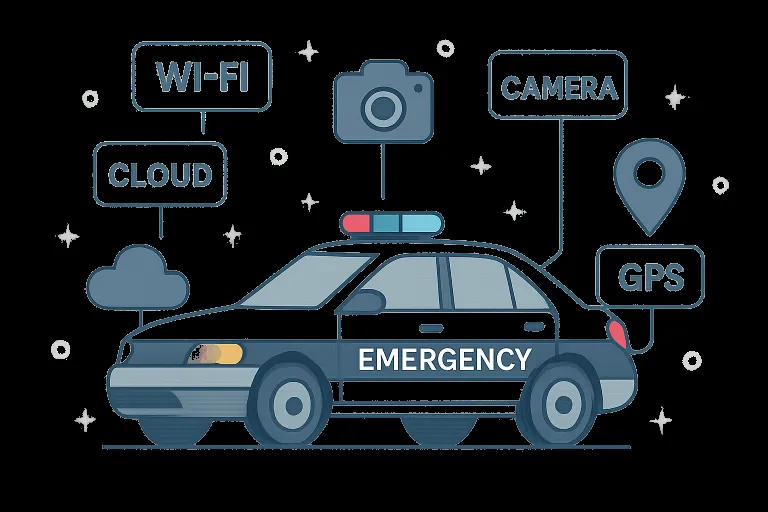
Video telematics combines streaming video with traditional telematics data (such as speed, location, and braking events) to give agencies a real-time, comprehensive picture of what is happening in and around emergency vehicles. This technology enhances operational oversight by allowing supervisors to monitor driving behavior and ensure compliance with safety protocols. It also provides crucial evidence for incident reviews and training. As video telematics becomes standard, response teams gain greater transparency, accountability, and situational awareness, leading to improved field performance.
Video telematics is also transforming the insurance and legal landscape for fleet management. Real-time footage and data logs can exonerate drivers during disputes and highlight opportunities for procedural improvements.
Low-Frequency Sirens
Low-frequency sirens, like the Rumbler, use deep bass tones that vibrate through vehicles and physical barriers far more effectively than conventional high-pitched sirens. These sirens help alert pedestrians and drivers in noisy urban settings or situations where siren audio may be blocked or muffled. For emergency responders, the improved audibility of their approach helps avoid traffic bottlenecks and reduces the risk of collisions at intersections. According to industry professionals, cities with low-frequency siren adoption report higher compliance rates from other motorists yielding the right of way, enhancing overall safety.
Vehicle-to-Everything Communication
Vehicle-to-Everything (V2X) communication is a leading innovation for emergency vehicles. V2X technology allows vehicles to communicate directly with other cars, traffic signals, and road infrastructure. For emergency operations, this means real-time warnings can be sent to civilian vehicles in the area, prompting them to clear the path well before the emergency vehicle is visible. When networked with city infrastructure, V2X adds another layer of efficiency, as traffic controls and nearby vehicles can all respond immediately to emergencies, reducing accident risks and travel times for first responders.
Emergency Vehicle Preemption Systems
Emergency vehicle preemption systems allow authorized vehicles to override traffic signals and ensure a streamlined route through busy urban corridors. With the press of a button or through automated signal recognition, traffic lights can turn green for an approaching ambulance, fire truck, or police vehicle. This reduces stop-and-go driving and the risk of intersection collisions, both of which are leading factors in emergency response delays. Cities using these systems have reported substantial time savings and improved safety records for their first responder teams.
In fact, in 2025, preemption systems facilitated more than 5.4 million green lights for emergency vehicles nationwide, saving thousands of hours on life-saving calls and illustrating the tangible impact of this technology.
Electric and Hybrid Emergency Vehicles
Public safety agencies are increasingly turning to electric and hybrid vehicles for their response fleets. These vehicles offer not only lower emissions and reduced operational costs but also advanced technology platforms and, in some cases, improved ballistic protection. For example, Las Vegas police deployed Tesla Cybertrucks for patrol duty, combining the benefits of electric propulsion with upfitted police equipment and enhanced durability. Electric vehicles (EVs) also require less maintenance, meaning fleets can stay in service longer and with fewer interruptions, a crucial advantage in emergency response.
As major cities and agencies evaluate the benefits of zero-emission and hybrid vehicle solutions, partnerships with leading automotive technology companies are becoming vital for the successful transition to modern, sustainable fleets.
Conclusion
The rapid adoption of modern technology in emergency vehicles is revolutionizing emergency response. From ADAS to low-frequency sirens and V2X communication, every trend serves a common goal: enabling first responders to perform their duties more efficiently and safely. As these advancements become standard and more widely adopted, the future holds the promise of even greater improvements in public safety and lifesaving outcomes.
