
A well-organized garage is not just about neat shelves and clean floors. It is about having the right equipment for dirty jobs, especially when you handle vehicle maintenance yourself. That is where an Oil Drain Pan becomes essential. It helps you collect used oil cleanly, reduce mess, and make disposal easier. If your workflow also includes storing or moving fuel for lawn equipment, boats, generators, or off-road vehicles, a Fuel Caddy can complement that setup and improve convenience. On GARVEE’s collections, the oil-drain lineup is heavy on 20-gallon low-profile and electric models, while the fuel-transfer lineup spans capacities from 15 to 128 gallons, showing how buyers can build a more complete fluid-handling station based on actual needs.
What Is an Oil Drain Pan?
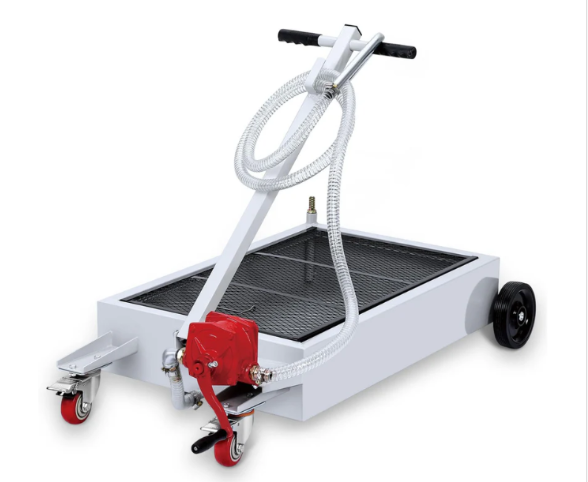
An Oil Drain Pan is a container designed to catch used engine oil during an oil change. Some are simple handheld pans for light-duty work, while others are low-profile rolling carts with pumps, hoses, handles, and casters for faster draining under cars, SUVs, trucks, or RVs. GARVEE’s current collection shows this range clearly, with 8-, 15-, 17-, 20-, and 25-gallon options, plus both manual and electric pump versions.
In practical terms, the right drain system does three things well:
-
catches oil without splashing,
-
moves easily under the vehicle,
-
and transfers waste fluid out without creating another mess.
That matters because used motor oil should be managed properly. The U.S. EPA notes that used oil can be recycled and re-refined into new oil, processed into fuel oils, and reused in other petroleum-industry applications.
Why the Right Drain Setup Matters
Choosing the right equipment is not just about convenience. It affects cleanliness, safety, storage, and how efficiently you work. A poor-quality pan may spill easily, sit too high for lower vehicles, or become frustrating to empty. A better design saves time on every oil change and makes cleanup much easier.
It also supports responsible disposal. According to EPA guidance, recycling used motor oil is preferable to disposal, and even used oil filters should be drained and recycled where accepted. That means your collection setup should help you keep oil contained from the moment it leaves the engine until the moment you take it to a proper collection point.
Key Benefits of a Quality Oil Drain Pan
Cleaner oil changes
A proper unit helps prevent splashes on the floor, suspension parts, and driveway. Low-profile designs are especially helpful when ground clearance is limited.
Better mobility
Many workshop-style models include wheels, folding handles, and long hoses. Those details matter more than people expect, especially if you service more than one vehicle.
Easier evacuation
Electric or manual pump-assisted systems reduce the hassle of lifting or tilting a full tank. On the GARVEE collection, both styles are available, including 15-, 17-, and 20-gallon versions with pump-based drainage.
More professional workflow
Even in a home garage, the right setup makes maintenance feel faster, cleaner, and more repeatable. That is useful whether you change oil monthly, seasonally, or for multiple machines.
How to Choose the Right Oil Drain Pan
1) Start with capacity
Capacity is usually the first decision because it shapes everything else: footprint, weight, mobility, and how often you need to empty the tank.
A simple way to think about it:
-
8 gallons — good for lighter-duty or occasional jobs.
-
15 gallons — a solid middle ground for common home-garage maintenance.
-
17 to 20 gallons — ideal for frequent oil changes or larger vehicles.
-
25 gallons and up — best for higher-volume workspaces.
GARVEE’s collection currently shows the strongest concentration in 20-gallon units, with 23 listings under that size filter, suggesting that buyers often prefer that larger, more versatile capacity.
2) Think about vehicle height
If you work on sedans or lower SUVs, a low-profile unit is often the smarter choice. It slides underneath more easily and usually reduces the need to lift the vehicle excessively.
If you work in a shop or on equipment that sits higher, upright tanks with funnels can also make sense. GARVEE’s collection includes both low-profile carts and upright adjustable-funnel styles, which is useful for different work environments.
3) Choose manual or electric draining
This decision depends on how often you will use it.
Manual systems are best when:
-
you want lower cost,
-
you do not mind a little extra effort,
-
and your oil-change schedule is occasional.
Electric systems are best when:
-
you value speed,
-
you service multiple vehicles,
-
or you want less strain when evacuating the tank.
On GARVEE’s page, examples include a 15-gallon electric model, several 17-gallon electric models, and multiple 20-gallon options with 12V or 110V pumps, which shows a strong focus on convenience-driven designs.
4) Check mobility and control details
The best units are not just large. They are easy to maneuver.
Look for:
-
swivel casters,
-
stable wheels,
-
folding handles,
-
long hose reach,
-
and a wide drain opening or mesh cover.
Those details improve the real-world experience more than marketing language does.
When a Fuel Caddy Makes Sense Too
A Fuel Caddy is not a replacement for a used-oil collector, but it often belongs in the same garage or workshop. If you maintain mowers, ATVs, boats, generators, tractors, or seasonal equipment, a dedicated fuel-transfer tank helps you move gasoline or diesel more safely and efficiently than juggling small cans.
GARVEE’s current collection shows a wide range, including 15-, 20-, 26-, 30-, 35-, 40-, 45-, 50-, and even 128-gallon options. The most common sizes on that page are 30 gallons (21 listings) and 35 gallons (20 listings), which suggests strong buyer demand for mid-capacity storage and transfer. The collection also includes both manual-pump designs and at least one 26-gallon diesel unit with a 12V DC 140W transfer pump.
There is also a safety angle. Portable fuel containers in the U.S. are subject to federal safety requirements, and the CPSC notes that requirements vary depending on fuel and container type. That is a good reminder to choose purpose-built equipment rather than improvised containers.
Signs you may also need one
You may want a fuel-transfer solution if you regularly:
-
refill lawn or garden equipment,
-
keep emergency generator fuel on hand,
-
service boats or powersports machines,
-
or move fuel around a large property.
In short, an oil collector handles waste fluid after maintenance, while a fuel tank system supports storage and transfer before or during use.
How to Use Your Equipment the Smart Way
Even good equipment can create problems if used carelessly. A few habits make a big difference.
Before you begin
-
Park on a level surface.
-
Let the engine cool enough for safe handling.
-
Position the drain unit before removing the plug.
-
Make sure the tank has enough empty capacity.
During the oil change
-
Watch the flow angle carefully.
-
Adjust the pan or funnel early rather than late.
-
Keep absorbent towels nearby for drips.
-
Do not overfill the tank.
After draining
-
Transfer or secure the used oil promptly.
-
Wipe down the hose and rim area.
-
Store the unit where it cannot tip over.
-
Drain and recycle the filter if your local program accepts it.
For used motor oil storage after collection, Michigan’s DIY guidance recommends putting used oil into a clean plastic container with a tight lid and labeling it “Used Oil.” EPA guidance also supports proper collection and recycling rather than disposal.
Common Mistakes to Avoid
Buying only by price
A cheaper pan may look attractive at checkout, but it can cost more in cleanup frustration, poor mobility, and limited capacity.
Ignoring clearance
A drain cart that does not fit under your vehicle is the wrong choice no matter how large the tank is.
Oversizing for light-duty use
Bigger is not always better. If you service one vehicle occasionally, a smaller or mid-size system may be more practical to store and empty.
Forgetting disposal workflow
The collection stage is only half the job. Used oil still needs to be stored and taken to a proper recycling or collection point. EPA specifically highlights the value of recycling used oil and used filters.
Using the wrong fuel storage method
If you also transfer gasoline or diesel, use purpose-built portable fuel equipment rather than improvised containers. Federal requirements for portable fuel containers exist for a reason.
Recommendations Based on Typical Buyer Needs
Here is a practical way to choose from the current GARVEE ranges.
Best for occasional home use
A smaller unit is often enough if you handle one or two family vehicles and want easier storage. In GARVEE’s collection, 8-gallon and 15-gallon options cover that lighter-duty end, including low-profile versions and pump-equipped designs.
Best for most garages
If you want a balance between capacity and convenience, mid-size low-profile carts are the sweet spot. GARVEE currently lists a 15-gallon electric model at $179.99 and several 17-gallon electric options around $161.99 to $189.99, which makes this tier appealing for homeowners who want easier draining without moving into oversized shop equipment.
Best for frequent or larger-vehicle maintenance
A larger cart works well when you service trucks, SUVs, RVs, or multiple vehicles. The current collection shows many 20-gallon choices, including manual, 12V, 110V, and air-operated styles, with examples ranging from about $129.99 to $285.99 on the collection page.
If you also handle fuel storage
For shops or property owners who refill equipment regularly, GARVEE’s fuel-transfer lineup suggests three common lanes:
-
15-gallon class for light use, with examples around $139.99 to $149.99
-
30- to 35-gallon class for balanced portability and capacity
-
45- to 50-gallon class for heavier-duty needs
The collection also includes manual stainless-steel options and an electric-pump diesel model, so buyers can match capacity with workflow.
Extra Buying Tips for Better Long-Term Value
Prioritize function over flashy specs
A well-designed wheelbase, hose length, and handle shape often matter more than decorative features.
Match the unit to your real maintenance volume
Be honest about how many vehicles or machines you service each month.
Plan for storage
Measure where the unit will live when not in use. This matters especially for larger shop-style drain carts and rolling fuel tanks.
Think in systems
The cleanest garage setups are built around workflow:
-
drain,
-
transfer,
-
store,
-
and recycle.
That is why pairing a waste-oil solution with dedicated fuel-transfer equipment can make sense when you manage multiple machines.
FAQ
1) What size Oil Drain Pan is best for a home garage?
For most home users, 15 to 20 gallons is the practical range. Smaller units are easier to store, while larger low-profile carts work better if you service multiple vehicles or larger engines more often. GARVEE’s collection heavily emphasizes 20-gallon models, which suggests that size is a popular all-around choice.
2) Is a manual or electric drain system better?
A manual design is fine for occasional work and lower budgets. An electric setup is better if you want faster evacuation, less lifting, and a smoother workflow for repeat maintenance. GARVEE currently offers both styles across multiple capacities.
3) Do I need a Fuel Caddy if I already have fuel cans?
Not always. But if you regularly refuel generators, boats, ATVs, or lawn equipment, a purpose-built rolling fuel tank can make storage and transfer much easier. GARVEE’s collection shows strong mid-capacity demand in the 30- and 35-gallon range, which fits many multi-equipment users.
4) What should I do with used oil after collection?
Take it to a proper recycling or collection center. EPA guidance says used motor oil should be recycled when possible, and used filters should also be drained and recycled where accepted. For temporary storage, use a clean plastic container with a tight lid and label it clearly.
Conclusion
A smart garage setup starts with the right maintenance tools, and an Oil Drain Pan is one of the most useful upgrades you can make if you change oil at home or in a small shop. It keeps the job cleaner, makes disposal easier, and improves your overall workflow. If your space also supports equipment refueling, a Fuel Caddy can round out that system and help you handle both waste fluid collection and fuel transfer more efficiently. The best next step is simple: choose the size, drain style, and mobility features that match how often you actually work, then buy for function rather than hype
