
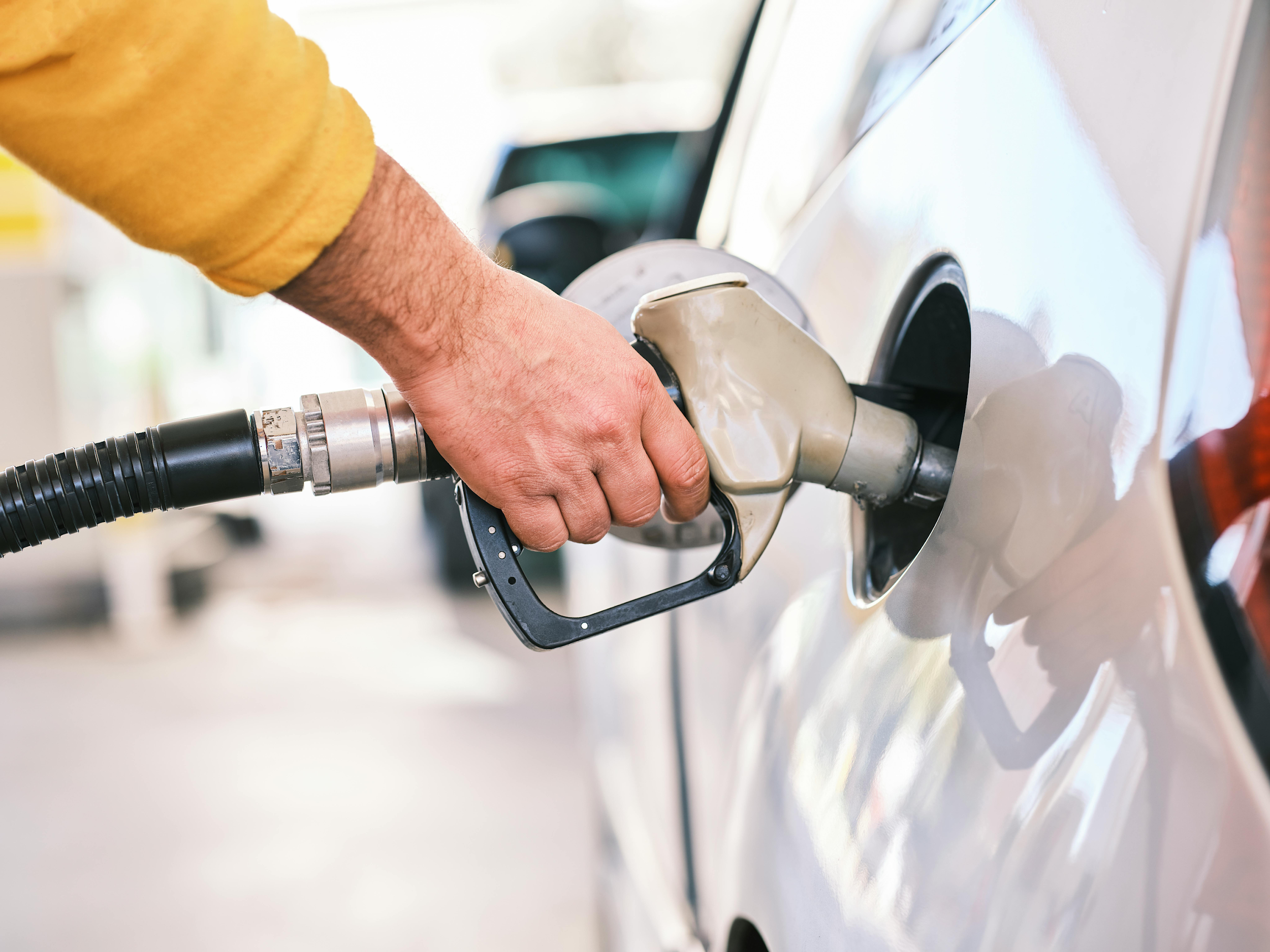
Gas prices seem to be constantly climbing, making every trip to the gas station a stressful experience for your wallet. However, filling up your tank does not have to break the bank. By making a few smart adjustments to your daily driving habits, routine vehicle maintenance, and trip planning, you can significantly cut down on your fuel expenses. Read on to discover 10 highly effective, actionable strategies to help you pay less at the pump and keep more cash in your pocket.
1. Leverage a Fuel Calculator Before You Drive
One of the most overlooked strategies for saving money on gas is prioritizing accurate cost forecasting before you hit the road. Whether you are an everyday driver focused on knowing your actual consumption or a business owner managing a fleet of vehicles, taking the guesswork out of your travel budget is crucial. Before heading out, plugging your route into a fuel cost management tools to reach the final destination helps you estimate exactly how much gas you will use. This allows you to compare different routes based on your vehicle’s specific MPG and decide if taking a slightly longer but less congested path might actually save you fuel in the long run.
2. Smooth Out Your Driving Habits
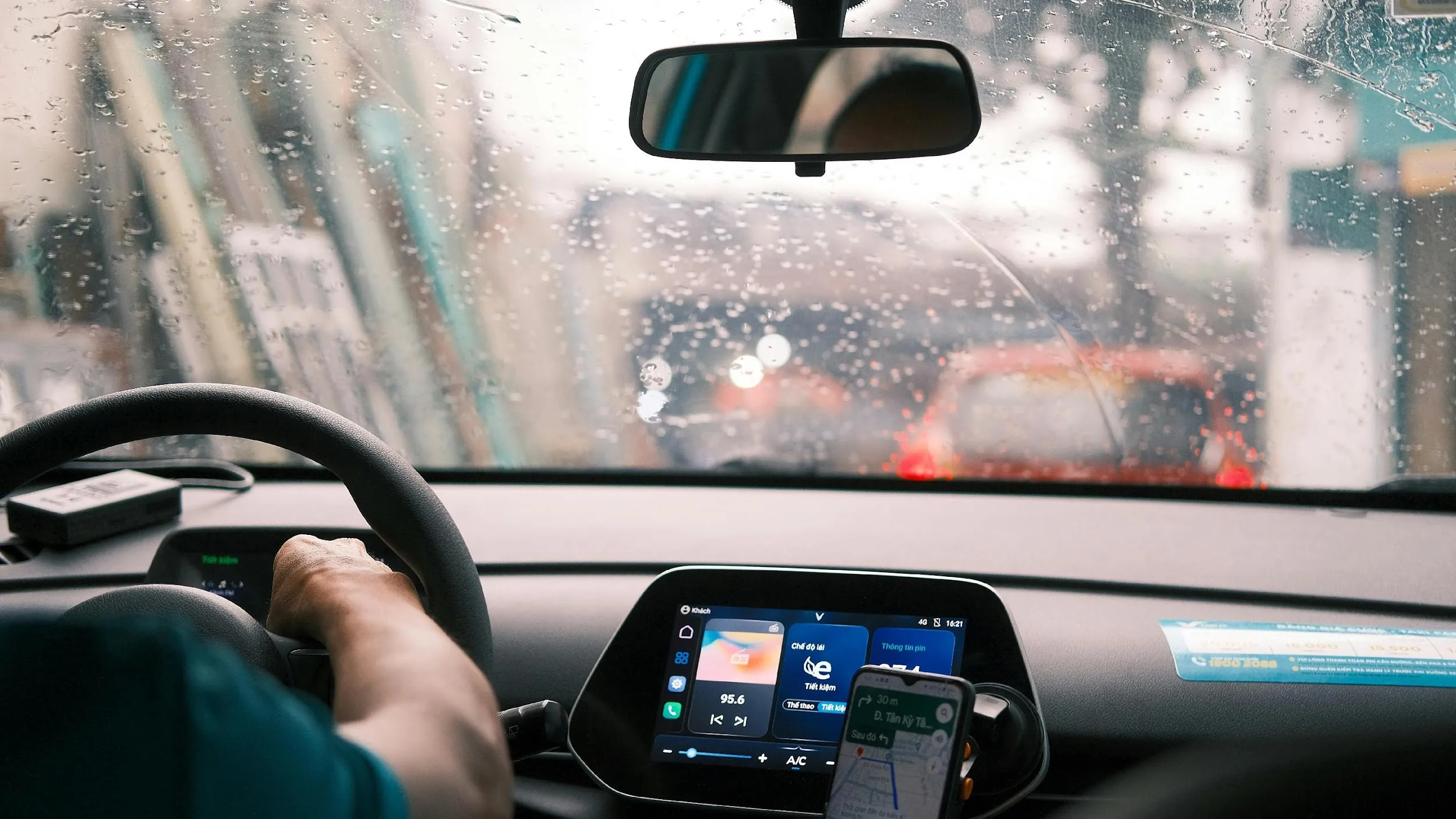
Aggressive driving is one of the quickest ways to drain your gas tank. Rapid acceleration, speeding, and hard braking can lower your gas mileage by roughly 15% to 30% at highway speeds and 10% to 40% in stop-and-go traffic. By adopting “eco-driving” habits, such as accelerating smoothly, anticipating traffic lights to avoid harsh stops, and maintaining a steady pace, you can drastically improve your fuel efficiency and keep more money in your wallet.

3. Keep Your Tires Properly Inflated
Your tires are your car’s only contact with the road, and their condition directly impacts your fuel economy. Under-inflated tires create more rolling resistance, which means your engine has to work harder (and burn more gas) to keep the car moving. Check your tire pressure at least once a month and ensure they are inflated to the manufacturer’s recommended PSI, which you can usually find on a sticker inside the driver’s side door.
4. Download Gas Price Apps
Never settle for the first gas station you see. Prices can vary wildly even within a single neighborhood. Downloading a community-driven app like GasBuddy, Waze, or Google Maps allows you to quickly check real-time fuel prices in your immediate area. Taking a two-minute detour to a cheaper station can easily save you up to 20 cents per gallon, which adds up significantly over a year.
5. Stop Idling Your Engine
Idling gets exactly zero miles per gallon. If you are waiting to pick someone up, sitting in a long drive-thru line, or stuck in completely halted traffic, turn off your engine. Modern engines consume less fuel restarting than they do idling for more than 10 seconds. By simply turning the key when you are parked, you stop literally burning money while going nowhere.
6. Lighten Your Car’s Load
Your car is not a storage unit. Every extra 100 pounds you carry around can reduce your MPG by about 1%. While that might not sound like much, it adds up over thousands of miles. Take a weekend to clear out heavy bags, tools, or sports equipment from your trunk. Additionally, remove exterior accessories like roof racks or cargo boxes when not in use, as they create aerodynamic drag that forces your engine to work much harder at highway speeds.
7. Join Fuel Rewards Programs
Almost every major gas station chain and many grocery store chains offer free loyalty programs. By signing up, you can earn points on your everyday grocery shopping that translate into direct discounts at the pump, sometimes up to a dollar off per gallon. Even standard gas station rewards programs usually offer an automatic 3 to 5 cents off every gallon just for swiping your membership card.
8. Use Cruise Control on the Highway
Fluctuating your speed up and down on the highway wastes a surprising amount of gas. When conditions are safe and traffic is flowing smoothly, engage your car’s cruise control. This helps your vehicle maintain a constant, steady speed, maximizing your fuel economy by preventing the unnecessary micro-accelerations that happen naturally when your foot is on the pedal.
9. Keep Up with Routine Maintenance
A well-tuned engine is an efficient engine. Ignoring basic car maintenance can silently sabotage your gas mileage. Ensure you are getting regular oil changes using the correct grade of motor oil recommended by your manufacturer. Additionally, replace dirty air filters and worn spark plugs as needed. A severely clogged air filter can restrict airflow to the engine, reducing its overall efficiency and costing you extra at the pump.
10. Be Strategic About When You Fill Up
Timing is everything when it comes to buying gas. Historically, gas prices tend to rise as the weekend approaches due to higher demand for travel. Try to fill up your tank early in the week, since Mondays and Tuesdays are often the cheapest days to buy gas. Furthermore, try to fill up before your tank drops below a quarter full. This prevents you from being forced to buy expensive gas at the nearest, most convenient station out of sheer desperation.