
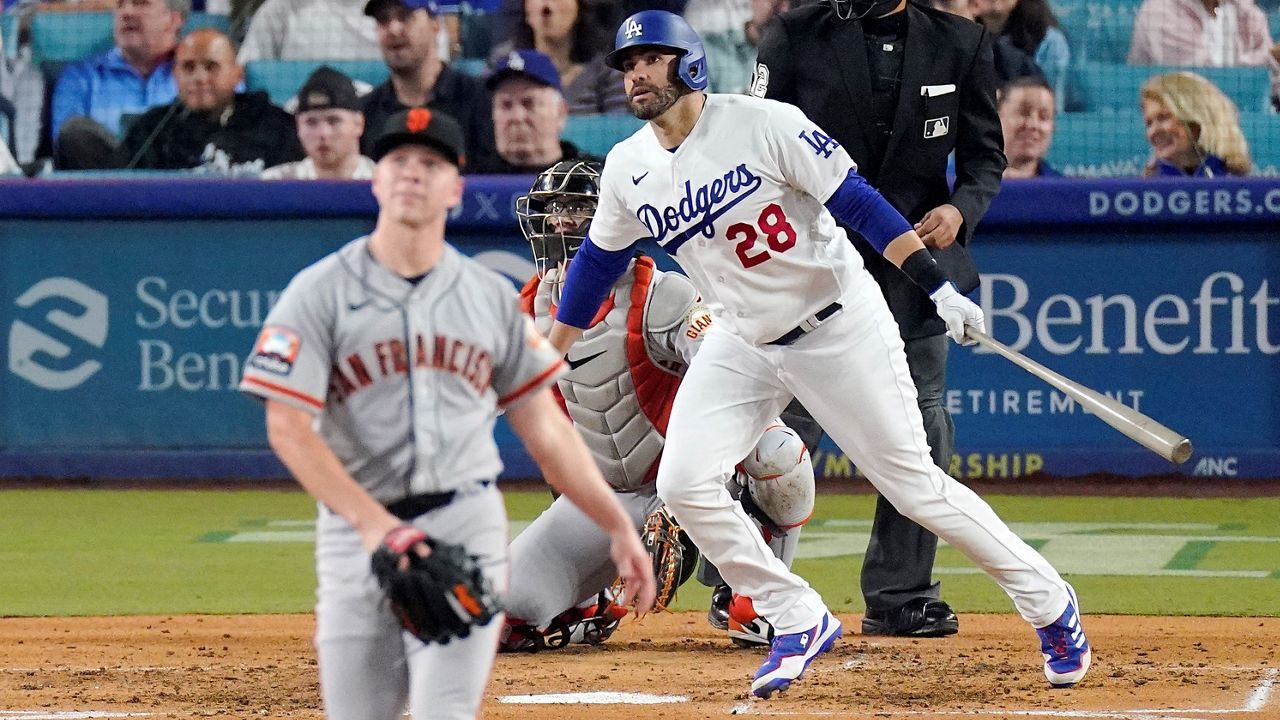
Dodgers vs San Francisco giants match player stats showcase one of the most historic and intense rivalries in Major League Baseball. Every pitch, swing, and defensive play carries weight, making these matchups thrilling for fans and analysts alike. From explosive hits to clutch pitching, the contest exemplified why these two teams have consistently been competitive forces.
Beyond the scoreboard, Dodgers vs San Francisco giants match player stats highlight key individual contributions and tactical execution that influenced game momentum. Analyzing these stats provides insight into how each player and team performed under pressure, reflecting their strengths and weaknesses.
Pre-Game Strategy and Team Preparations
The Dodgers entered the game with a focus on power hitting, disciplined at-bats, and strategic base running. Their pitching staff aimed to control contact, limit walks, and exploit the Giants’ offensive tendencies.
San Francisco approached with a mix of aggressive hitting, small ball tactics, and careful pitching rotations. In Dodgers vs San Francisco giants match player stats, critical metrics like batting averages, on-base percentages, strikeouts, and pitching efficiency reveal how each team’s plan translated onto the field.
Dodgers Offensive Performance
Los Angeles relied on a combination of long-ball power and situational hitting. Their lineup aimed to pressure the Giants’ pitchers early and create scoring opportunities through consistent contact and timely base running.
Dodgers vs San Francisco giants match player stats demonstrate home runs, RBIs, batting averages, and slugging percentages, providing insight into how the Dodgers executed their offensive approach to generate consistent scoring chances.
Giants Offensive Strategy
San Francisco’s offense emphasized contact hitting, patience at the plate, and situational tactics like bunts and steals to manufacture runs. The team also relied on clutch hitting in late innings to challenge Dodgers’ pitching.
In Dodgers vs San Francisco giants match player stats, key indicators such as runs scored, hits, and batting efficiency highlight how the Giants adapted offensively to the Dodgers’ pitching strengths.
Pitching Matchups and Impact
Dodgers’ starting pitcher used command, velocity, and pitch variety to limit Giants’ hitters and induce weak contact. Bullpen performance was crucial in maintaining leads and preventing late-game comebacks.
The Giants countered with strategic pitching rotations and relievers capable of high-pressure situations. Dodgers vs San Francisco giants match player stats on strikeouts, earned run average, innings pitched, and walks illustrate how pitching influenced the flow and outcome of the game.
Defensive Contributions
Dodgers’ defense capitalized on range, fielding precision, and double-play execution to minimize Giants’ offensive efficiency. Critical defensive plays in key innings shifted momentum and preserved scoring opportunities.
San Francisco’s defense relied on agility, positioning, and alert fielding to respond to the Dodgers’ powerful lineup. Dodgers vs San Francisco giants match player stats regarding putouts, assists, and errors reveal how defensive execution impacted scoring and game rhythm.
Clutch Performances and Key Players
Several standout performances defined this rivalry game. Dodgers’ hitters delivered timely hits, drove in key runs, and maintained pressure on the Giants’ pitchers. Pitchers contributed strikeout streaks and critical strike management under tension.
For San Francisco, clutch hitting, base stealing, and pitching resilience highlighted individual talent. Dodgers vs San Francisco giants match player stats reflect how these performances influenced pivotal innings and swung game momentum.
Base Running and Aggression
Dodgers employed aggressive base running to create scoring chances, challenge defensive positioning, and put pressure on the Giants’ pitching staff. Speed and situational awareness were essential.
The Giants’ base runners focused on stealing opportunities and advancing through situational hits. Metrics in Dodgers vs San Francisco giants match player stats for stolen bases, caught stealing, and run-scoring efficiency illustrate how aggressive base running contributed to game dynamics.
Situational Hitting and Late Innings
Late-inning performance was decisive, with both teams leveraging pinch hitters, bullpen pitchers, and strategic substitutions. Dodgers focused on exploiting pitcher fatigue, while Giants sought to capitalize on defensive lapses.
Dodgers vs San Francisco giants match player stats in clutch scenarios—like late-inning RBIs and pitching matchups—demonstrate how situational execution influenced the ultimate outcome.
Fan Excitement and Analytical Insights
Fans witnessed a showcase of classic baseball rivalry: long hits, diving catches, and critical pitching moments. The excitement was amplified by the strategic chess match between managers and in-game adjustments.
From an analytical perspective, Dodgers vs San Francisco giants match player stats provide deep insights into team efficiency, player performance, and trends that matter over a full MLB season. These stats help fans and analysts interpret game flow, player impact, and matchup outcomes.
Season-Long Implications of Dodgers vs San Francisco giants match player stats
Dodgers vs San Francisco giants match player stats extend beyond a single game, reflecting season-long player development, team strategy, and performance trends. Analysts, fans, and fantasy baseball enthusiasts rely on these stats for evaluating player contributions, predicting future outcomes, and understanding strategic adjustments.
Read also:
Sacramento kings vs Lakers match player stats Set the Tone for an NBA Thriller