
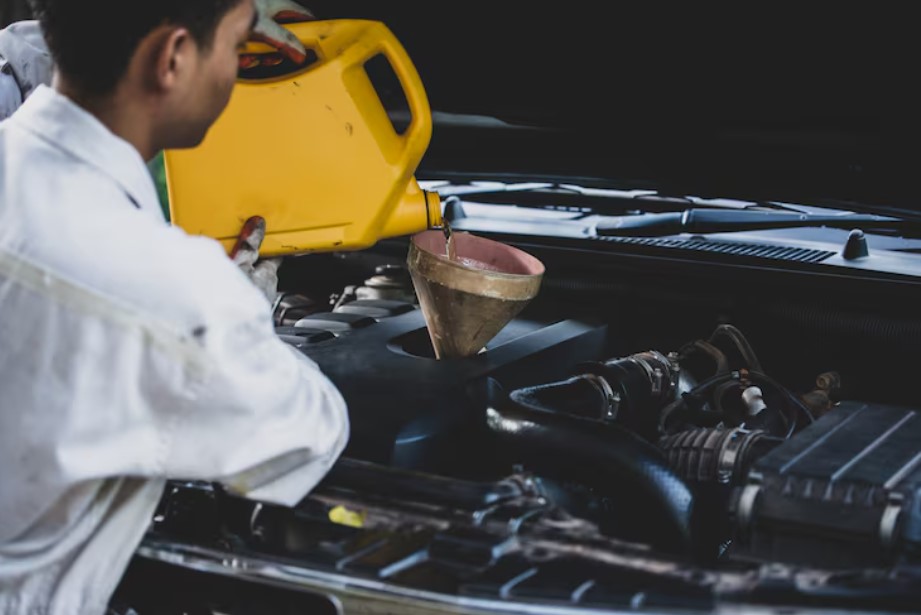
Engines handle many kinds of strain, but stop-and-go traffic creates a pattern that quietly and steadily wears on them. The vehicle never settles into a long, efficient rhythm because it is constantly braking, idling, creeping forward, and accelerating again. In Cortland, that kind of driving can make an engine feel more burdened than drivers expect, even when they are not covering great distances. One of the simplest ways to support performance under those conditions is with timely oil service. Fresh oil helps reduce friction, manage heat, and keep moving parts cleaner when repeated traffic delays add pressure to daily driving and long-term vehicle reliability.
Traffic and Engine Wear
- Stop-and-Go Driving Changes How Oil Works
Stop-and-go traffic may seem less demanding than highway speed, yet it often places a different kind of pressure on an engine. Instead of maintaining a steady pace, the engine keeps shifting between idle and acceleration, which means the lubrication system must respond constantly to changing demands. Oil works hardest during those repeated transitions because it must protect parts as temperatures rise, fall, and rise again within short periods. In Cortland, drivers making short commutes, school runs, errands, and frequent town trips often face exactly that pattern. The engine may spend more time warming up, idling, and working in short bursts than operating in one smooth cycle. That repeated strain can slowly degrade oil quality and make the vehicle feel less calm or responsive over time. Some drivers turn to Mechanic in Cortland when traffic-heavy driving makes routine oil service feel more urgent. A simple oil change becomes helpful because it restores a cleaner, more protective flow inside an engine that rarely gets a break.
- Heat Builds Faster Than Many Drivers Realize
One of the biggest problems with stop-and-go traffic is not speed but heat. A vehicle does not need to be racing down the road to create engine temperature concerns. When it sits at lights, inches forward in traffic, and then accelerates again, the engine continues to produce heat while airflow may remain limited. That combination can place extra pressure on the oil because oil does more than lubricate; it also helps carry heat away from internal components. As oil ages, it loses some of its ability to maintain stable protection under thermal stress, which can leave the engine feeling rougher, louder, or less eager during normal driving. Drivers may first notice this as a subtle change rather than a major problem. The vehicle may not feel broken, but it may feel heavier, slower to respond, or less smooth in its daily rhythm. An oil change is helpful because fresh oil is better prepared to handle repeated heat cycles, giving the engine a cleaner, more dependable cushion against the demands of busy roads.
- Dirty Oil Can Make Short Trips Harder on the Engine
Short trips in traffic often prevent the engine from staying in its ideal operating pattern for very long. That matters because older oil tends to collect contaminants from combustion, moisture, and fine particles, especially when the vehicle is frequently started, stopped, and shut off before it spends much time cruising. Over time, those contaminants can thicken the oil or reduce its ability to flow through narrow passages. When that happens, the engine may not receive the same smooth, even lubrication it needs during repeated stops and starts. Cortland drivers dealing with traffic congestion may notice that their vehicle seems to idle less evenly or sound more strained after weeks of heavy local driving. That does not always point to a major repair right away. Sometimes it reflects oil that has simply been pushed past the point where it can support the engine properly under these conditions. Replacing worn oil and the filter helps clear out a large amount of accumulated debris, giving the engine a cleaner environment that supports more stable daily operation.
- Repeated Idling Adds Stress Without Adding Much Mileage
Many drivers still think in terms of mileage alone, but stop-and-go traffic shows why that is not always enough. An engine can spend long stretches running while the odometer barely changes. During those periods, the oil is still working, temperatures are still rising, and internal parts are still moving. That means the engine can experience meaningful wear even when the trip itself does not look severe on paper. In traffic-heavy conditions, idling becomes a hidden source of stress because the vehicle appears inactive while the engine continues doing its job. This is one reason an oil change in Cortland can be especially helpful for people who drive in town often and assume low mileage means low strain. Oil does not measure effort the way drivers do. It responds to time, temperature, contamination, and internal motion. Fresh oil helps offset that overlooked burden by restoring lubrication quality and helping the engine manage repeated low-speed operation with less internal drag and less buildup over time.
- Fresh Oil Supports Smoother Performance in Daily Traffic
When the oil is clean, at the correct level, and at the correct viscosity, the engine often feels more settled in everyday traffic. That improvement can show up in several small but meaningful ways. The vehicle may start with less hesitation, idle more evenly at lights, respond with less resistance when pulling away, and sound less harsh during low-speed acceleration. These changes matter because stop-and-go traffic magnifies minor weaknesses in engine performance. On an open road, a vehicle can sometimes mask small lubrication issues with steady speed and airflow, but in-town driving makes those issues appear more clearly. Every stoplight becomes another moment when the engine must transition smoothly from idle to working. If the oil is overdue, those moments can feel rougher and less predictable. An oil change is helpful not because it solves every possible engine concern, but because it restores one of the engine’s main support systems to a stronger condition. That alone can make a noticeable difference in how the vehicle behaves through repeated starts, stops, and short-distance demands.
- Timely Service Helps Prevent Small Problems From Growing
Another reason this maintenance matters is that it creates a practical checkpoint before extra stress turns into extra wear. When oil is changed on time, technicians can see signs that drivers might miss, such as unusually dirty oil, metallic particles, filter condition, or early signs of leakage. That makes the service valuable beyond the oil itself. It offers a chance to see whether traffic-related strain is beginning to affect the engine more deeply. For vehicles that spend much of their time on crowded streets, this kind of routine attention can be useful, because stop-and-go operation rarely feels dramatic enough to prompt concern until drivability starts to slip. By then, the oil may have been working under difficult conditions for far too long. A timely oil change helps protect engine components before friction and contamination have more time to build up. It also gives drivers a clearer understanding of whether inconsistent performance is due to overdue maintenance or to another issue that should be checked before it becomes harder and more costly to address.
Stop-and-go traffic may seem ordinary, but it imposes repeated engine stress that quietly builds over time. In Cortland, where many drivers spend their trips accelerating, braking, idling, and restarting, oil has to work harder than mileage alone might suggest. That is why an oil change can be so helpful when traffic adds pressure to everyday driving. Fresh oil helps control friction, manage heat, reduce contamination, and support smoother performance during repeated low-speed demands. It also provides drivers with an important maintenance checkpoint that can reveal early issues before they worsen. Under traffic-heavy conditions, clean oil remains one of the simplest ways to support engine health.